How to Import Gym Equipment from China Without Losing Money
Packing volume, container loading, inspection terms, documentation and the mistakes that turn a good factory price into a bad landed cost.
The factory price is the number buyers negotiate hardest and the one that matters least. Landed cost is what decides whether importing was a good decision, and most of it is determined by decisions taken before the order is placed.
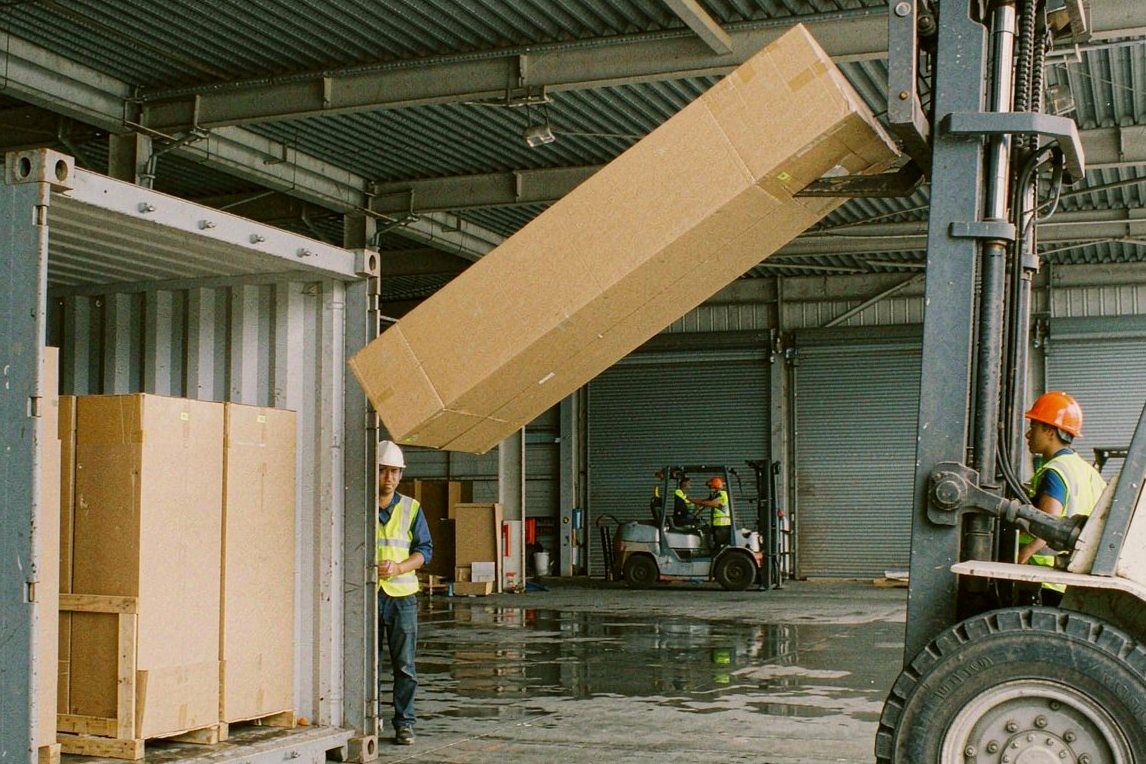
Gym equipment is bulky and relatively light. A 40HQ container holds around 67 m³ of cargo, and a commercial gym fit-out will often consume several containers. If a supplier's machine is designed inefficiently, you pay for that inefficiency in freight on every unit, forever.
Always ask for packing volume per unit, in cubic metres, alongside the unit price. Then compare cost per cubic metre, not cost per machine. A machine that is 12% cheaper but 20% bulkier is a worse buy.
Ask specifically whether the equipment ships assembled or knocked down. Many machines ship partly knocked down with a serviceable assembly document, cutting volume substantially.
Ask for a container loading plan before you confirm the order — a layout showing how the equipment will be arranged and the resulting utilisation. A supplier who cannot produce one at quotation stage will not produce one at loading either.
Insist on loading photographs. They take ten minutes and they resolve disputes that would otherwise cost weeks.
Inspection language in a contract is usually too vague to enforce. Specify:
- What is inspected — welding, coating, assembly, function, load, packing, quantity
- Who inspects — factory QC, your own inspector, or a named third party
- When — pre-shipment, at a stated point in production
- What happens on failure — rework timeline, cost responsibility, remedies
Third-party inspection is welcome at our works and costs a fraction of the risk it removes. Cooperate with the inspector rather than working around them — a supplier who resists inspection is telling you something.
You need a commercial invoice, packing list, bill of lading and certificate of origin at minimum. Depending on destination you may also need a certificate of conformity, test reports or specific marking on the product and packaging. Establish which apply before production starts, not after the container has sailed.
Any solid wood packaging crossing a border needs IPPC heat treatment and the mark. Non-compliance means the shipment is refused or fumigated at your cost, and it is one of the most common avoidable delays in equipment imports.
A 30% deposit with 70% against a copy of the bill of lading is the industry norm and protects both sides. Be cautious about requests for full payment upfront, and equally cautious about suppliers who accept no deposit — it usually means your order is being funded by someone else's.
FOB gives you control of freight and lets you use your own forwarder. CIF is simpler but you may pay more for freight than necessary. DDP is convenient but removes visibility of duty and clearance cost — ask for a breakdown, always.
- Negotiating unit price and ignoring packing volume.
- Not asking for the container loading plan before booking.
- Accepting inspection terms that are too vague to enforce.
- Leaving documentation requirements until after production.
- Ordering the whole floor at once instead of phasing and using real membership data for phase two.
None of these require specialist knowledge to fix. They just have to be decided before the order, not after.
Need commercial gym equipment?
Talk to our sales team — send quantities, destination and branding requirements and we will price it properly.