How to Audit a Gym Equipment Supplier Before You Send a Deposit
The difference between a good supplier and a trading company with a good website is visible in about ninety minutes of asking the right questions in the right order.
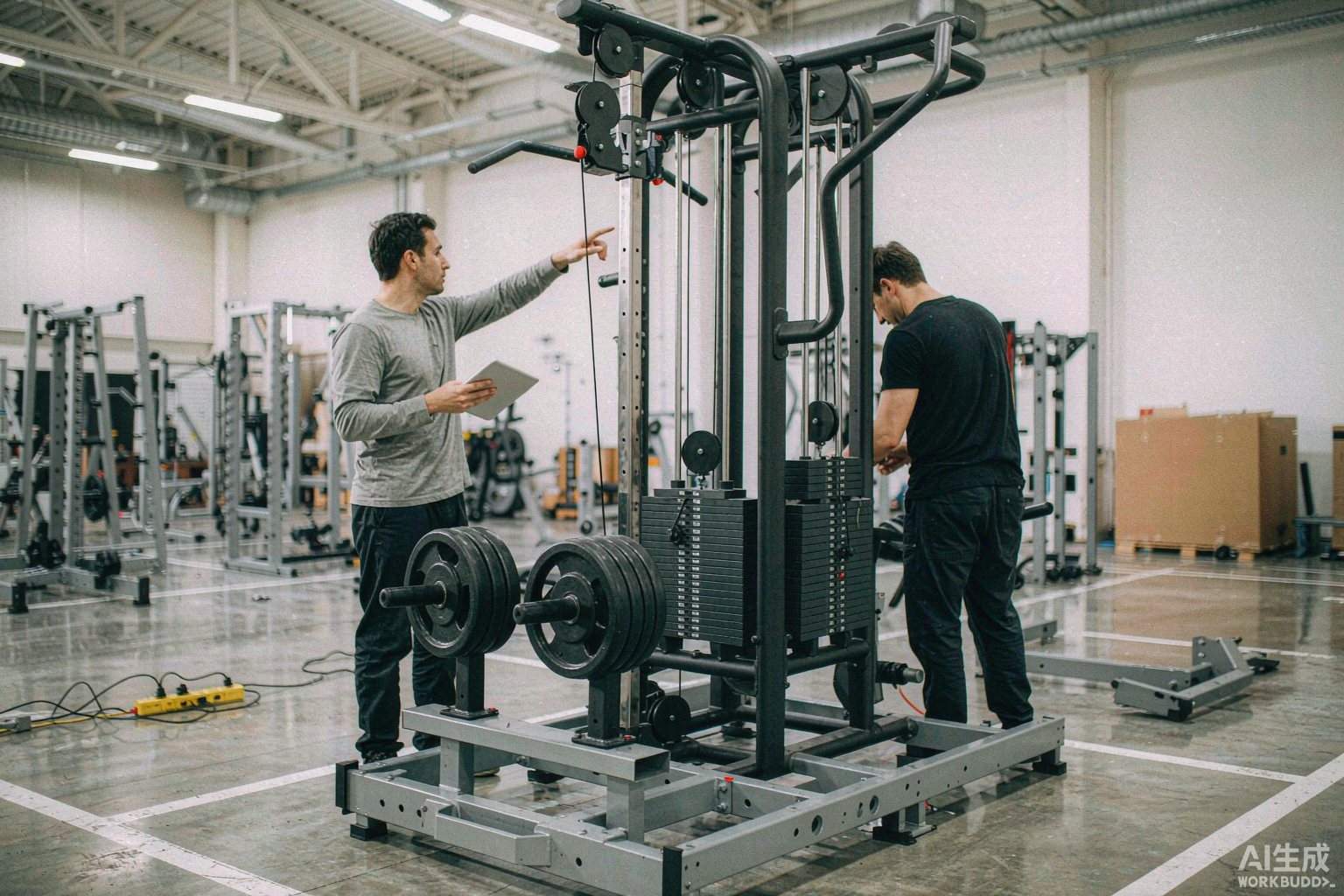
Most buyers audit a supplier by looking at a catalogue and a price list. Both are produced by someone else, and neither tells you whether the frames you receive will match the samples you approved.
Here is the sequence we suggest, and the one we are happy to sit through ourselves.
A manufacturer can answer a tube question in a sentence. Ask what wall thickness the uprights are on a specific model, how the weight stack guide rods are retained, and which parts are bought in. A trader will answer all three with adjectives. A manufacturer will answer with numbers and will name the components they import rather than pretending everything is in-house.
Get them to describe the route from steel to carton on one model. You are listening for whether powder coating is preceded by phosphating or a multi-stage wash, whether frames are jig-welded, and how many inspection points exist between welding and packing. If they cannot name the stages, they have never stood on the line.
Ask for a continuous phone video of the production area, walking from the raw steel rack through cutting, welding, coating, assembly and packing. Edits are a signal. A single continuous shot, with the timestamp visible, tells you more about capacity and housekeeping than any certificate.
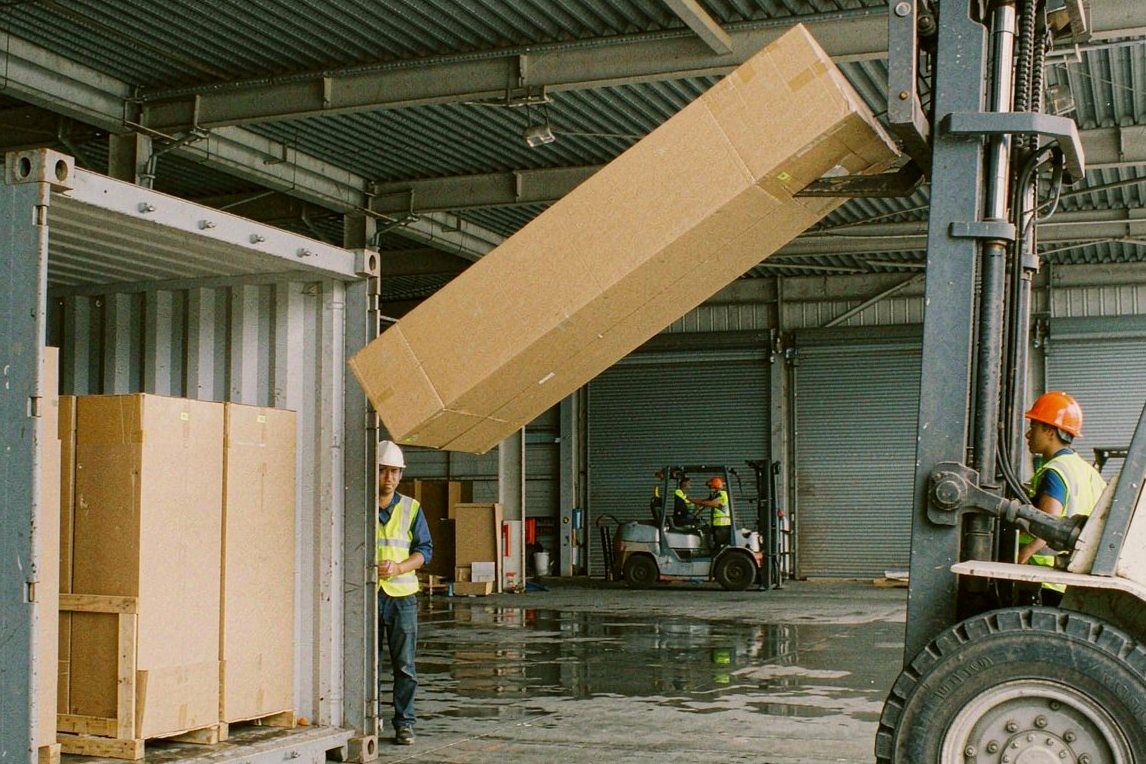
Ask what a 40HQ holds for the model you care about, in sets, and what the packing volume is per set. Ask for the loading plan. A supplier who has actually loaded containers will answer in CBM and units without looking it up, and the figures should reconcile: a 40HQ is about 68 CBM usable, so a 3.6 CBM machine means eighteen sets, not thirty.
Order one unit of the model you are least sure about, at full commercial price, and inspect it as if it were the whole order. Check weld appearance and penetration at high-load junctions, cable and pulley quality, pad thickness and stitching, the accuracy of the powder coat on hidden faces, and whether the assembly instructions match what arrived. This is the step buyers skip and regret.
Two, from different markets, with contact details. Then call them and ask three questions: did the equipment arrive as specified, what failed first, and how was the claim handled. The third answer is the one that matters. Every supplier is pleasant before the deposit; the reference tells you who is still pleasant when four frames arrive scratched.
Attach the drawing, the tube specification, the cable specification, the coating standard, the pad material and the packing method to the purchase contract. Vague contracts produce vague equipment. A thirty-line specification annexe removes almost all of the argument, because a claim becomes a comparison against a document rather than a memory of a conversation.
Walk away if the price is materially below the market for the stated specification, if the supplier will not name the tube thickness, if no one will show you the coating line, if the sample unit is not the production unit, or if the payment terms require a full advance. None of those are proof of fraud. All of them are proof that you will be guessing.
Need commercial gym equipment?
Talk to our sales team — send quantities, destination and branding requirements and we will price it properly.