Container Consolidation: How Mixed Gym Orders Are Packed
A gym order is never one product. It is twenty lines of machines, weights, accessories and flooring that must fit one container without damaging each other.
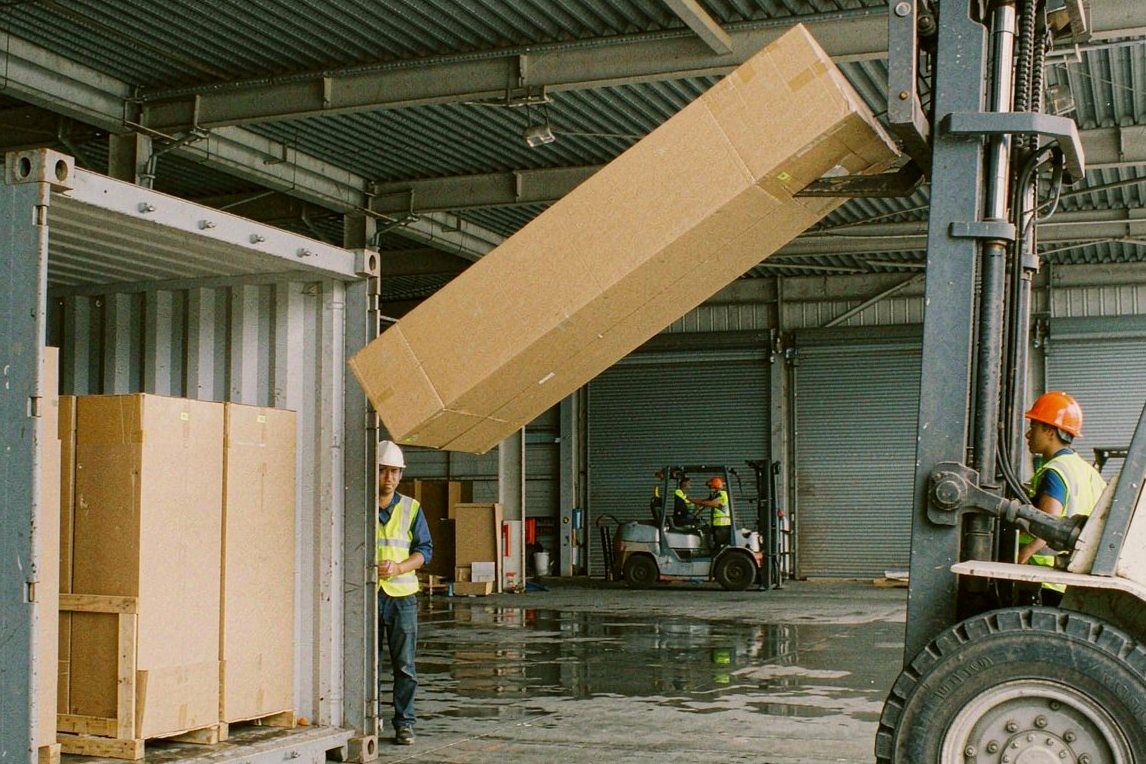
Gym equipment is awkward freight. Frames are bulky but light, plates are dense, pads are fragile and dumbbells are both heavy and prone to puncturing whatever is packed beside them. Consolidating a mixed order is a sequencing problem, not a packing problem.
The usable volume of a 20GP is about 28 CBM, a 40GP about 58 CBM and a 40HQ about 68 CBM. Gross figures look larger because they include the space a forklift can never use.
Ask for a packing volume per set for every line. A multifunction machine is around 3.6 CBM, a multi-station system around 2.8 to 4.9 CBM, a plate-loaded station around 1.0 CBM, a bench around 0.3 CBM and a dumbbell rack around 0.3 CBM. Plates are sold by weight, not volume: 20 tonnes of plates fills a 40HQ on weight before it fills it on space.
A well-loaded mixed container follows a consistent logic:
- Floor layer. Heaviest and densest first: plates, dumbbells, kettlebell sets, flooring tiles. These go at the bottom, distributed left to right rather than all on one side, so the container does not sit off-balance on its chassis.
- Mid layer. Cartons of frames, weight stacks removed from their machines and packed separately. Stacks are almost always shipped out of the carriage to reduce volume and to stop them damaging the frame in transit.
- Top and rear. Upholstery pads, shrouds, cable kits, accessory cartons, spares. These are light, and they are the items a customer will want to find first at the destination.
Pads are the fragile part. They should be stacked flat, never on edge, in cartons that are themselves supported, with nothing heavy above them. A container of machines with compressed pads is a claims case that costs more than the freight saved by packing them tight.
Three things prevent almost all transit damage: corner protection on frames, airbags or timber bracing in any void larger than a carton, and no metal-to-metal contact between unpadded surfaces. Powder coat will abrade against itself over four thousand kilometres of ocean swell. Ask for photographs of the packed container before the doors are closed — it is the last chance to catch a problem, and a habit we keep on every shipment.
Below about 15 CBM, LCL is usually cheaper. Above 25 CBM, an FCL almost always wins, because the freight saving outweighs the cost of the space you do not fill, and the container is not shared with someone else's cargo. Between 15 and 25 CBM it is genuinely marginal: get both quotes, and consider whether waiting a month to fill a 40HQ is worth the storage cost of doing nothing.
Commercial invoice, packing list with model numbers and quantities, bill of lading, certificate of origin where a preferential duty applies, and any product test reports your customs authority asks for. Send the packing list before the container sails: a discrepancy found at the port of destination is expensive, and the same discrepancy found at the port of loading is a phone call.
Need commercial gym equipment?
Talk to our sales team — send quantities, destination and branding requirements and we will price it properly.