A Practical Guide to Private-Label Gym Equipment
What can be changed, what it costs in time, and how to set up a private-label programme that produces identical equipment on order five as on order one.
Private label lets a distributor or brand owner sell equipment that is theirs rather than a generic machine with a sticker on it. The commercial case is straightforward. The execution requires decisions that most first-time buyers make in the wrong order.
Customisation runs from nearly free to genuinely expensive. Most programmes climb the ladder over several orders.
Level 1 — Branding on a standard platform
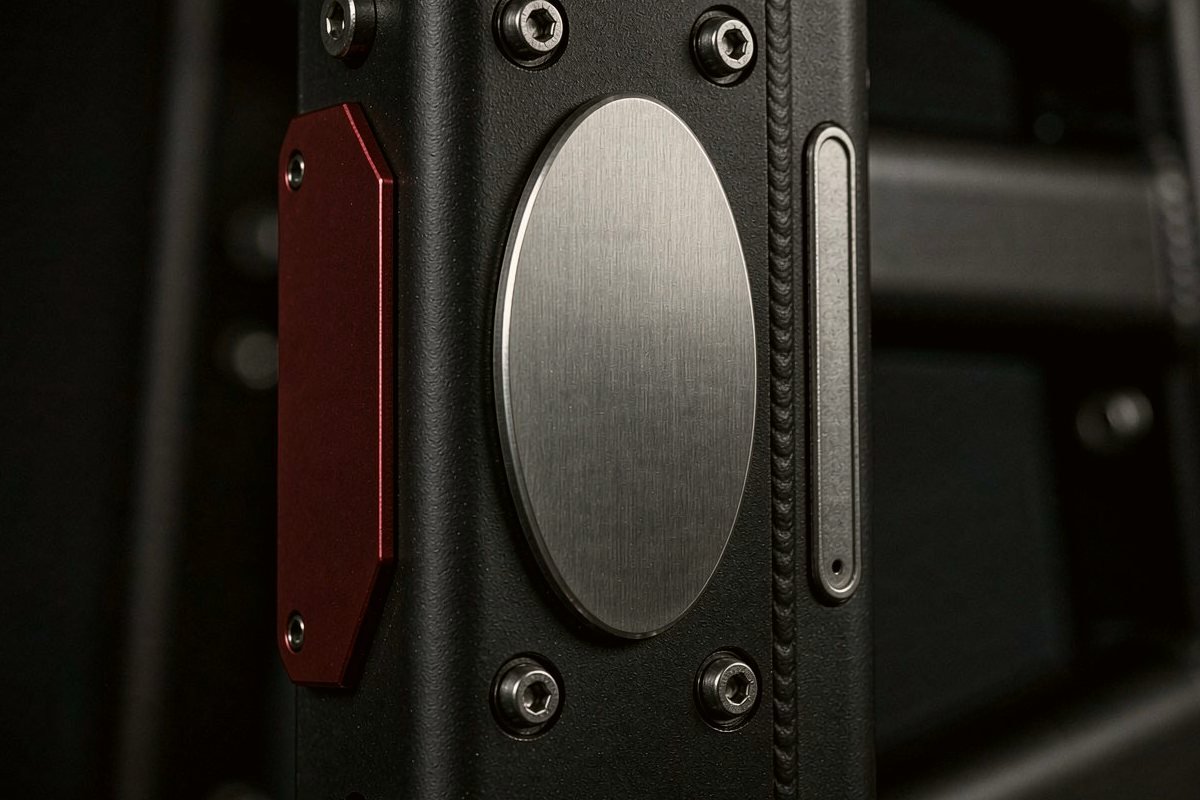
Logo plates, decals, embroidered upholstery tags, printed cartons and neutral manuals. No tooling change, minimal lead time impact. This is where every programme should start.
Level 2 — Colour and upholstery
Frame powder coat matched to your brand colour from a RAL, Pantone or physical sample, plus upholstery vinyl and stitching in your palette. Still no engineering change, but it requires an approved colour coupon to be held on file — otherwise order five will not match order one.
Level 3 — Packaging and labelling
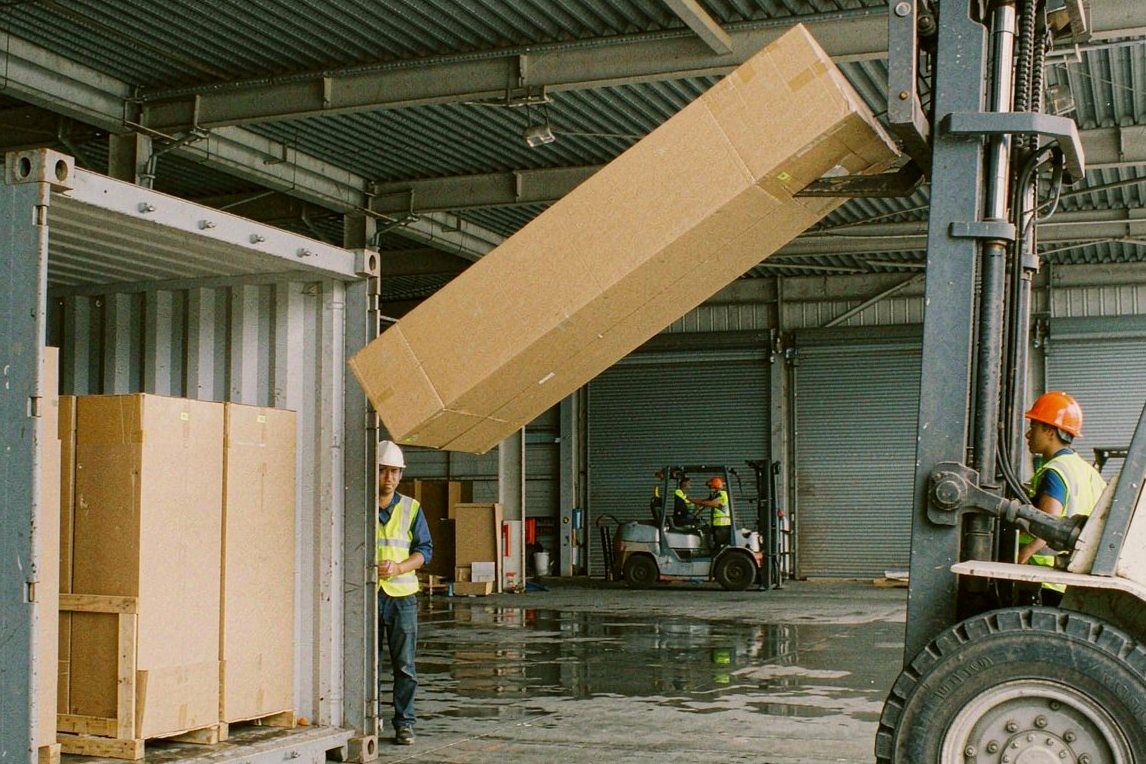
Your artwork on cartons, barcodes, SKU labels, master-carton configuration and a pallet plan built for your warehouse rather than for a container. This matters more than most buyers expect: packaging designed for your operation reduces handling cost every time you receive a shipment.
Level 4 — Specification change
Seat height, handle angle, weight-stack increments, tube diameter, attachment geometry. This requires engineering, a drawing and an approved sample — and it is where lead times and costs genuinely increase.
Level 5 — New product development
A machine that does not exist in the supplier's range. Tooling, prototypes, testing and a development timeline measured in months. Only worth doing when volume and exclusivity justify it.
- Model numbers. Yours, consistently structured. Mixed numbering across orders makes your own inventory unmanageable later.
- Logo position and method. Cast plate, laser etch, screen print or decal. Decide once — changing it mid-programme invalidates samples.
- Colour reference. A physical sample is better than a code, because powder coat renders differently from a screen.
- Documentation language and branding. Manuals, packing lists and cartons all carry your brand and no reference to the factory.
- Exclusivity terms. Territory, model coverage and the minimum volume that justifies it. Put it in writing before sampling, not after.
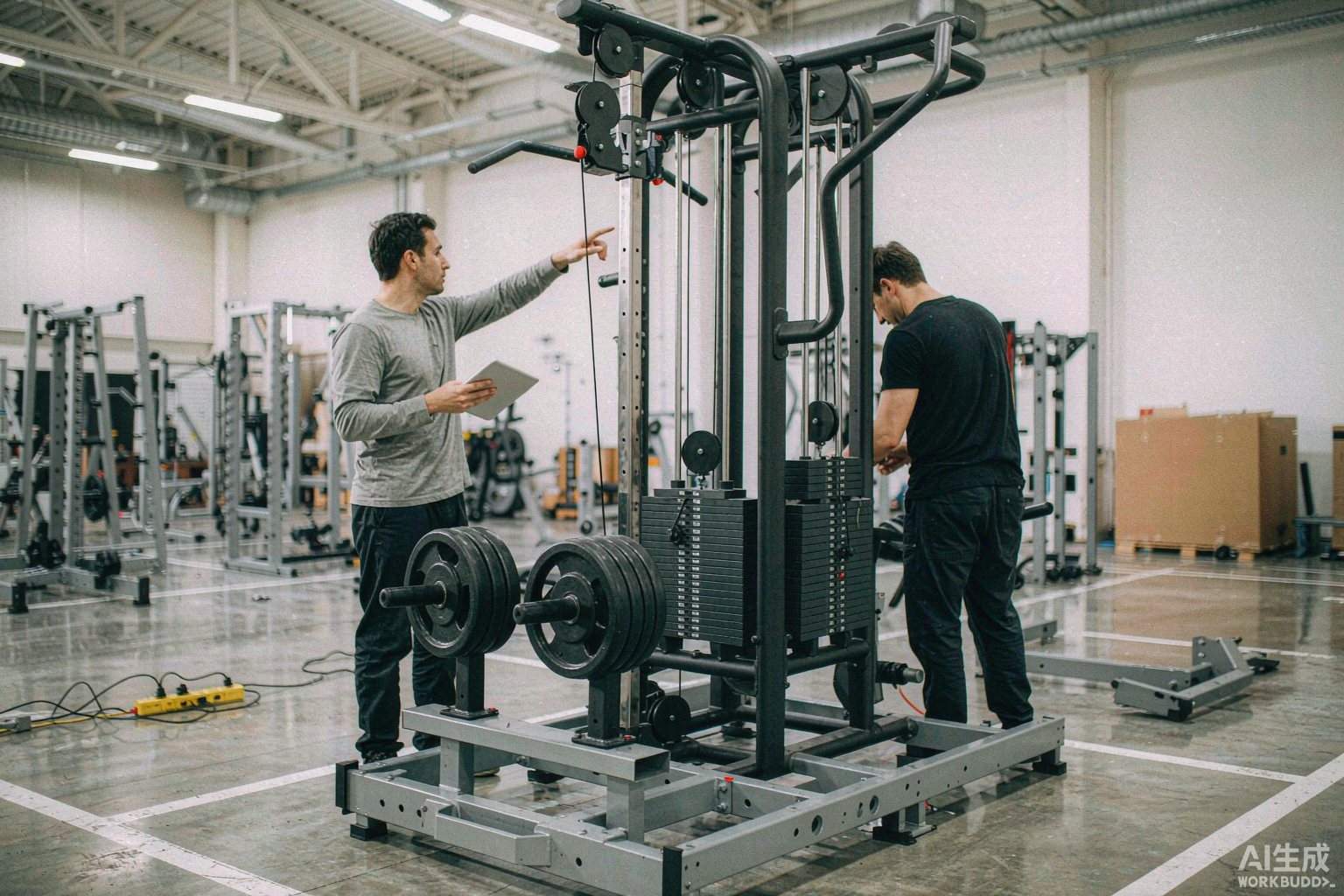
Sampling is the stage that slips. A branding-only programme can sample in days. A specification change requires engineering drawings, a build on the line and possibly a second round if the geometry does not feel right in use. Plan for two rounds on any specification change, and test the sample with the people who will actually coach on it.
Bringing your own trainers or coaches to the sample assessment is the single most valuable thing you can do. Geometry problems are invisible in a photograph.
This is the part that separates a private-label programme from a series of unrelated purchases. Insist that the factory holds on file: the private drawing, the approved colour coupon, the upholstery material reference, the logo artwork files and the packaging dieline. Then ask for the retained sample reference number on each subsequent order.
We keep all of the above against the client account, which is why a second order placed seven months later can be produced without a further sampling round.
Most factories, ours included, will run private label from a single container on standard platforms. Prices improve with volume, and specification changes carry a one-off engineering cost that makes more sense at higher quantities. The first order should be sized to test the market, not to optimise unit price.
Need commercial gym equipment?
Talk to our sales team — send quantities, destination and branding requirements and we will price it properly.