Cable Specification: The Part of a Strength Machine You Cannot See
Two machines can look identical and feel completely different eighteen months later, and the reason is almost always the cable, the pulleys and the ratio nobody published.
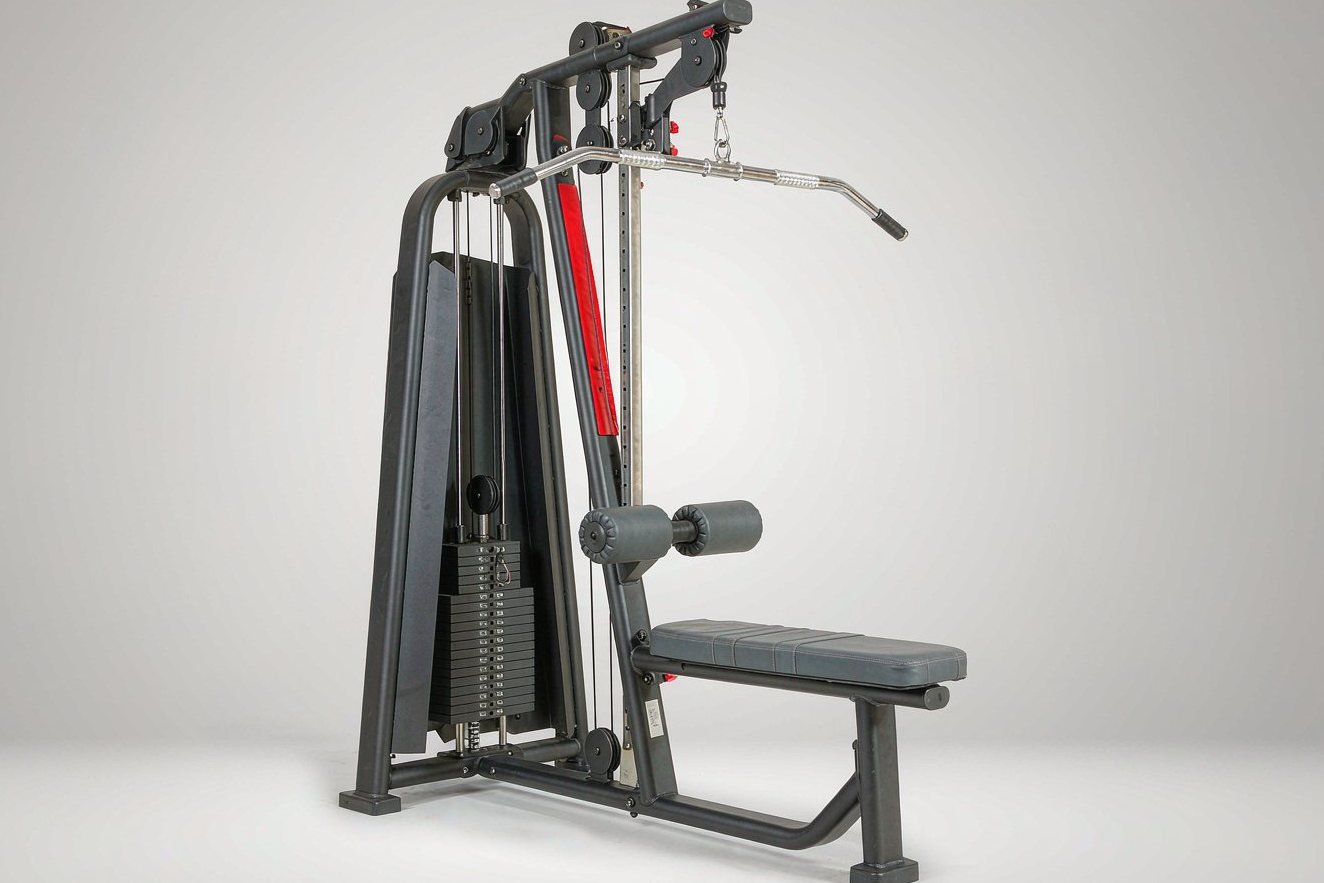
Cables are the least visible and most abused part of any cable machine. They are also the part where a specification can be quietly cheapened without changing the appearance of the equipment at all.
Fitness cable is usually specified as 6 × 19, meaning six strands of nineteen wires each, wrapped in a PVC or nylon jacket. The alternative used at the cheaper end is 7 × 7 — fewer, thicker wires. A 7 × 7 cable is stiffer, fatigues faster at the ferrule and feels rough over small pulleys.
Ask for the breaking load. A cable on a 100 kg stack should carry a working load with a healthy safety factor, which in practice means a breaking load comfortably above 1,500 kg rather than the 500 kg you will find on budget machines.
Small pulleys are the second hidden saving. A cable bent over a small pulley develops fatigue cracks faster, and a cast plastic pulley wears into a groove that starts to catch the jacket. Machined aluminium pulleys with sealed bearings, running on a diameter of at least 100 mm, is the specification worth insisting on.
Turn a pulley by hand before you buy. It should be silent and smooth with no lateral wobble. If it grinds or rattles, the bearing is already on its way out.
Cable ratio determines how a stack of a given weight feels. A 1:1 ratio at the handle moves the load one for one: a 100 kg stack gives 100 kg at the hand. A 1:2 ratio halves it: the same stack gives 50 kg at the handle, but requires twice the cable travel, which is why the movement is longer and smoother.
Neither is better. A 1:1 ratio suits pressing and rowing where real load matters. A 1:2 ratio suits a pec deck or lat pulldown where a long, smooth arc and fine increments are more useful. What matters is that the ratio matches the exercise and that it is published — a machine that hides a 1:2 ratio behind a 100 kg stack is not dishonest, but it does mean the effective top load is 50 kg, and buyers should know that before they specify a floor for strong members.
Look at how the cable is routed around the frame. Anywhere the cable passes through a hole, there should be a shoulder or a bushing, not raw steel. Anywhere it changes direction, there should be a pulley — never a bent tube or a welded eye.
Then ask how a technician inspects the cable. On our machines the routing is left visible from the outside of the frame, so a cable check takes minutes rather than dismantling a shroud. That single design decision determines whether your maintenance schedule is realistic.
Specify construction, jacketing, breaking load, pulley material, pulley diameter, bearing type, ratio and the parts availability window. Six lines in a specification annexe. They are the cheapest six lines in the whole contract.
Need commercial gym equipment?
Talk to our sales team — send quantities, destination and branding requirements and we will price it properly.