Plate Loaded vs Selectorized Machines: Which Belongs on Your Floor
The two machine types suit different members, different floors and different maintenance budgets. A side-by-side comparison with the trade-offs stated plainly.
Almost every gym specification we review has the same unresolved question buried in it: how much of the circuit should be plate loaded and how much selectorised? The answer depends on your membership, not on which is better in the abstract.
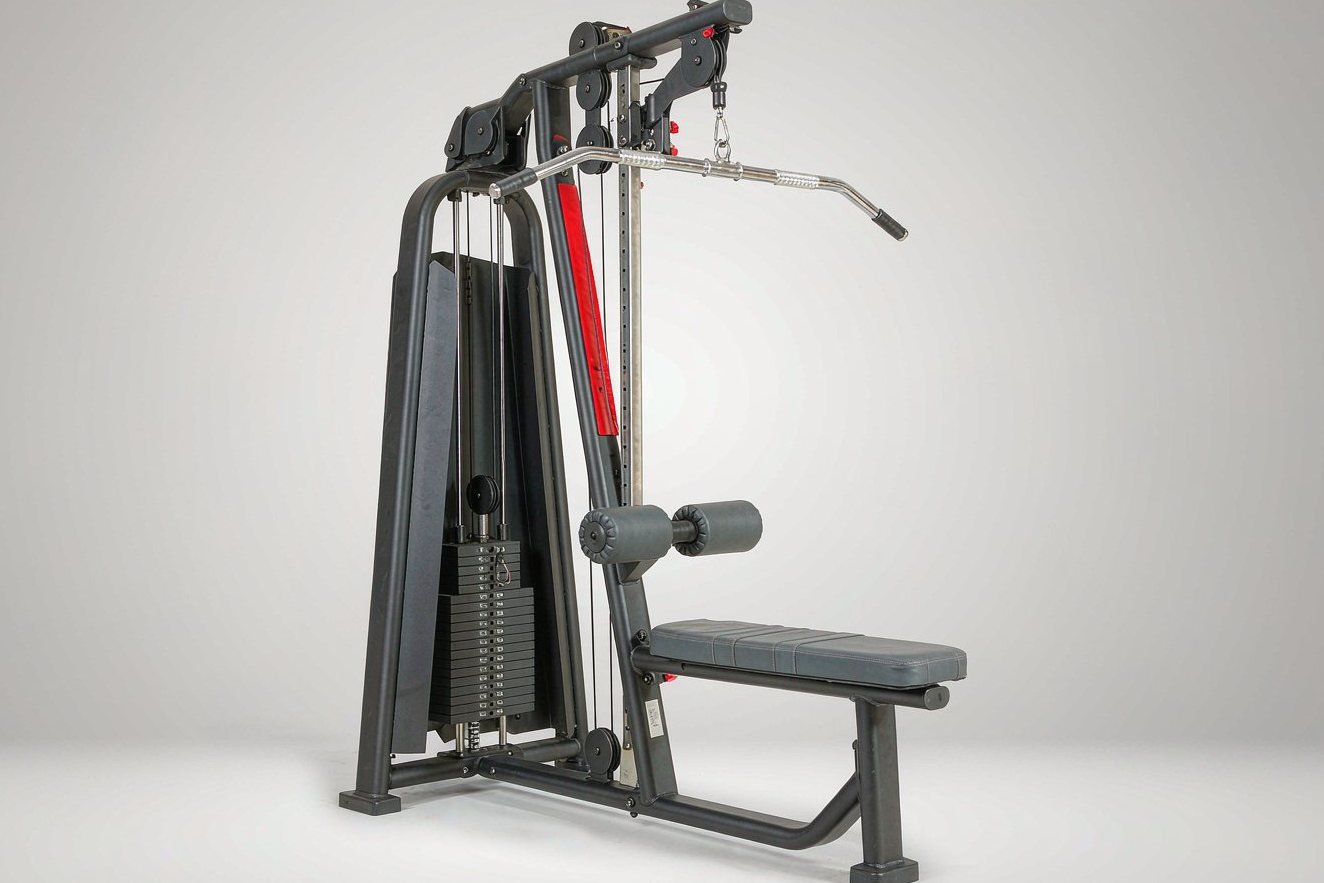
A selectorised machine has an integrated weight stack. The member inserts a pin and trains. A plate-loaded machine has horns for Olympic plates that the member loads themselves.
Everything else follows from that one difference.
Better for: general membership, circuit training, hotel and residential gyms, rehabilitation, any floor where members train uncoached.
- Fast to use — a pin change takes a second, so supersets and circuits work
- Obvious increments, so progression is visible without calculation
- Safer for unsupervised use; the load is contained in the stack
- No plate storage requirement on the floor
- Higher purchase cost, and cable and pulley maintenance is a real ongoing item
Better for: strength-led clubs, performance facilities, sports academies, university strength halls, any floor with an experienced membership.
- Effectively unlimited loading — no 80 kg ceiling
- No cables, so lower maintenance and a longer service life on the mechanism
- Movement paths can be more aggressive, which suits trained lifters
- Fewer moving parts to fail, but more demand on plate availability
- Requires a plate budget and floor storage; slower to move between exercises
| Selectorised | Plate loaded | |
|---|---|---|
| Session speed | Faster | Slower |
| Maximum load | Limited by stack | Unlimited |
| Maintenance | Cables and pulleys | Pivots and bearings |
| Unsupervised safety | Better | Adequate for trained users |
| Floor storage needed | None | Significant |
| Cost per station | Higher | Lower initially, plus plates |
For a general commercial club, roughly 60% selectorised and 40% plate loaded works well, with the plate-loaded share concentrated in the movements where load matters most — leg press, chest press, row and shoulder press.
For a strength-led club or performance facility, that ratio inverts. University strength halls and sports academies often run 70% plate loaded.
Hotels, residential amenity floors and corporate gyms should be almost entirely selectorised, with plate loaded machines only where a specific demand exists. The maintenance profile matters more than the loading capability in these settings, and uncoached users are better served by a stack with numbered plates.
Before recommending a mix, we ask what percentage of the membership has trained for more than two years. Below 25%, plate loaded machines tend to sit unused while the circuit builds a queue. Above 40%, selectorised machines feel like a compromise to the members who matter most.
If you tell us that figure, and your peak occupancy, we can propose a mix with reasoning attached rather than a default ratio.
Need commercial gym equipment?
Talk to our sales team — send quantities, destination and branding requirements and we will price it properly.