
How to Build Chest Muscles with a Training Rack
The chest muscles are among the most prominent muscle groups targeted on a multi-functional training rack, offering a wide range of pressing and fly movements…
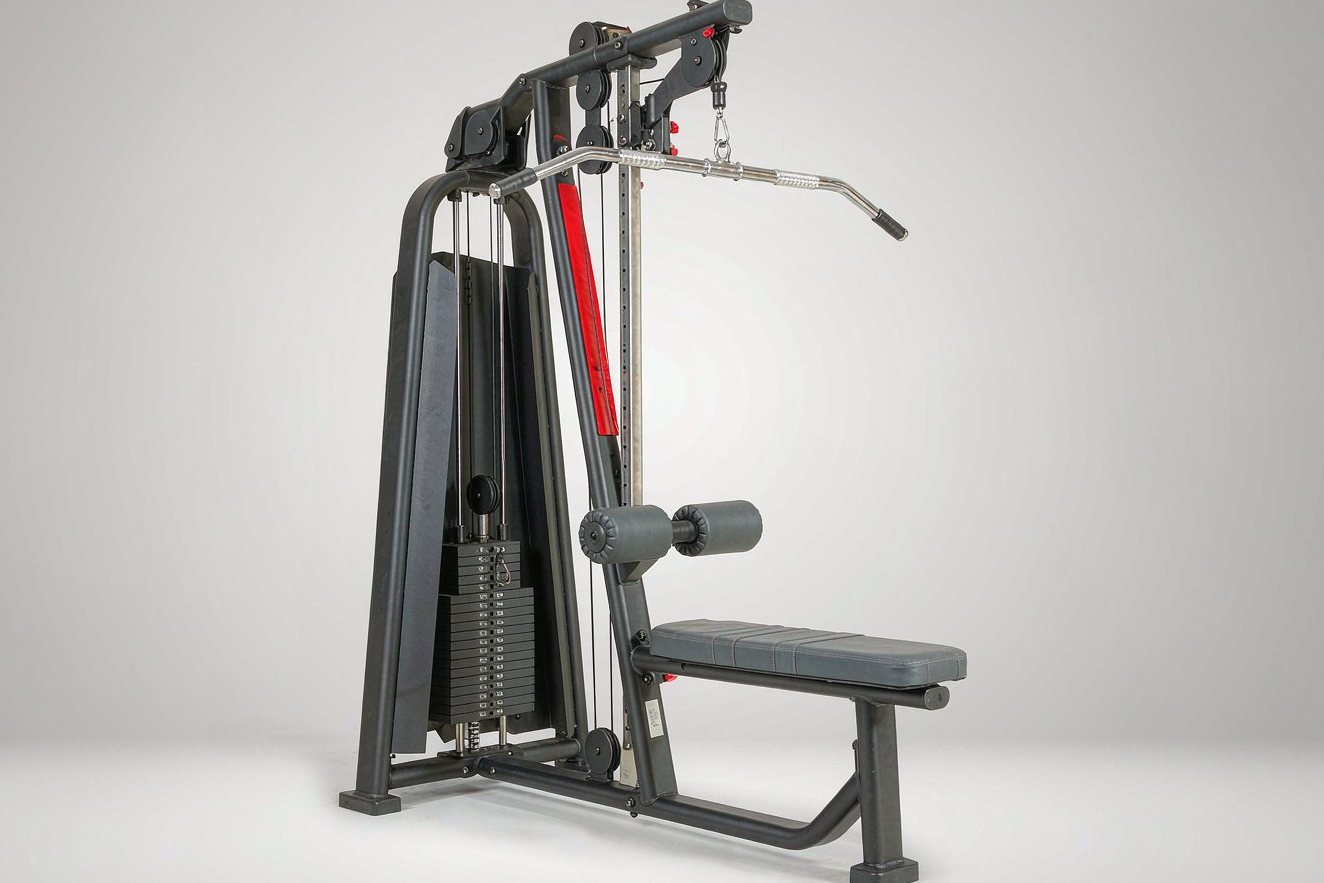
The chest muscles are among the most prominent muscle groups targeted on a multi-functional training rack, offering a wide range of pressing and fly movements. The multi-functional training rack provides multiple angles and resistance profiles for chest training, making it possible to build a comprehensive training program using a single piece of equipment. This guide covers the best exercises, training strategies, and programming recommendations for developing the chest using a training rack.
Understanding the Chest Muscles
The chest comprise the pectoralis major, pectoralis minor, anterior deltoids. Each of these muscles plays a distinct role in movement and requires specific training stimuli for optimal development. The multi-functional training rack is particularly well-suited for chest training because it offers both compound movements that engage the entire muscle group and isolation exercises that target individual muscles within the group.
Exercise Selection
The following exercises form the core of an effective chest training program on a multi-functional training rack:
- Low-To-High Cable Fly: 3 sets of 8-10 repetitions This exercise targets the pectoralis major and is performed using the cable system of the multi-functional training rack. Focus on controlled movement and full range of motion for maximum muscle engagement.
- Bench Press: 3 sets of 8-12 repetitions This exercise targets the pectoralis major and is performed using the barbell station of the multi-functional training rack. Focus on controlled movement and full range of motion for maximum muscle engagement.
- Push-Up: 3 sets of 8-10 repetitions This exercise targets the pectoralis major and is performed using the pull-up bar of the multi-functional training rack. Focus on controlled movement and full range of motion for maximum muscle engagement.
- Cable Chest Press: 4 sets of 8-12 repetitions This exercise targets the pectoralis major and is performed using the cable system of the multi-functional training rack. Focus on controlled movement and full range of motion for maximum muscle engagement.
- Dips: 4 sets of 8-10 repetitions This exercise targets the pectoralis major and is performed using the pull-up bar of the multi-functional training rack. Focus on controlled movement and full range of motion for maximum muscle engagement.
Training Volume and Frequency
For optimal chest development, aim for 10-16 total sets per week for this muscle group. This volume should be spread across 1-2 training sessions, allowing adequate recovery between workouts. If you are training chest once per week, target 12-16 sets in that session. If training twice per week, 6-8 sets per session is appropriate.
Intensity should be moderate to high, with most sets taken within 1-2 repetitions of failure. This level of effort maximizes muscle fiber recruitment and metabolic stress, both of which are key drivers of hypertrophy. For strength-focused training, work in the 4-6 repetition range with heavier loads and longer rest periods.
Exercise Order and Progression
Begin each chest training session with compound movements — exercises that engage multiple joints and muscle groups simultaneously. These exercises allow you to handle the most weight and create the greatest overall training stimulus. Follow compound movements with isolation exercises that target specific muscles within the chest group, using lighter weights and higher repetitions.
Progressive overload is essential for continued chest development. Each week, aim to increase the weight, add repetitions, or improve exercise technique. Even small improvements compound over time. Track your workouts in a journal or app to monitor progress and identify plateaus.
Common Chest Training Mistakes
One frequent mistake is neglecting certain muscles within the chest group. For example, many trainees overemphasize the pectoralis major while undertraining the anterior deltoids. Ensure your exercise selection provides balanced development across all muscles in the group.
Another mistake is using excessive momentum, particularly on cable exercises. While the cable system makes it tempting to swing the weight, this reduces muscle activation and increases injury risk. Maintain strict form on every repetition, even if this means using less weight.
Inconsistent training frequency is also detrimental to chest development. Training the chest sporadically — hitting it hard one week and skipping it the next — prevents the consistent stimulus needed for growth. Commit to a regular training schedule and stick to it.
Need commercial gym equipment?
Talk to our sales team — send quantities, destination and branding requirements and we will price it properly.