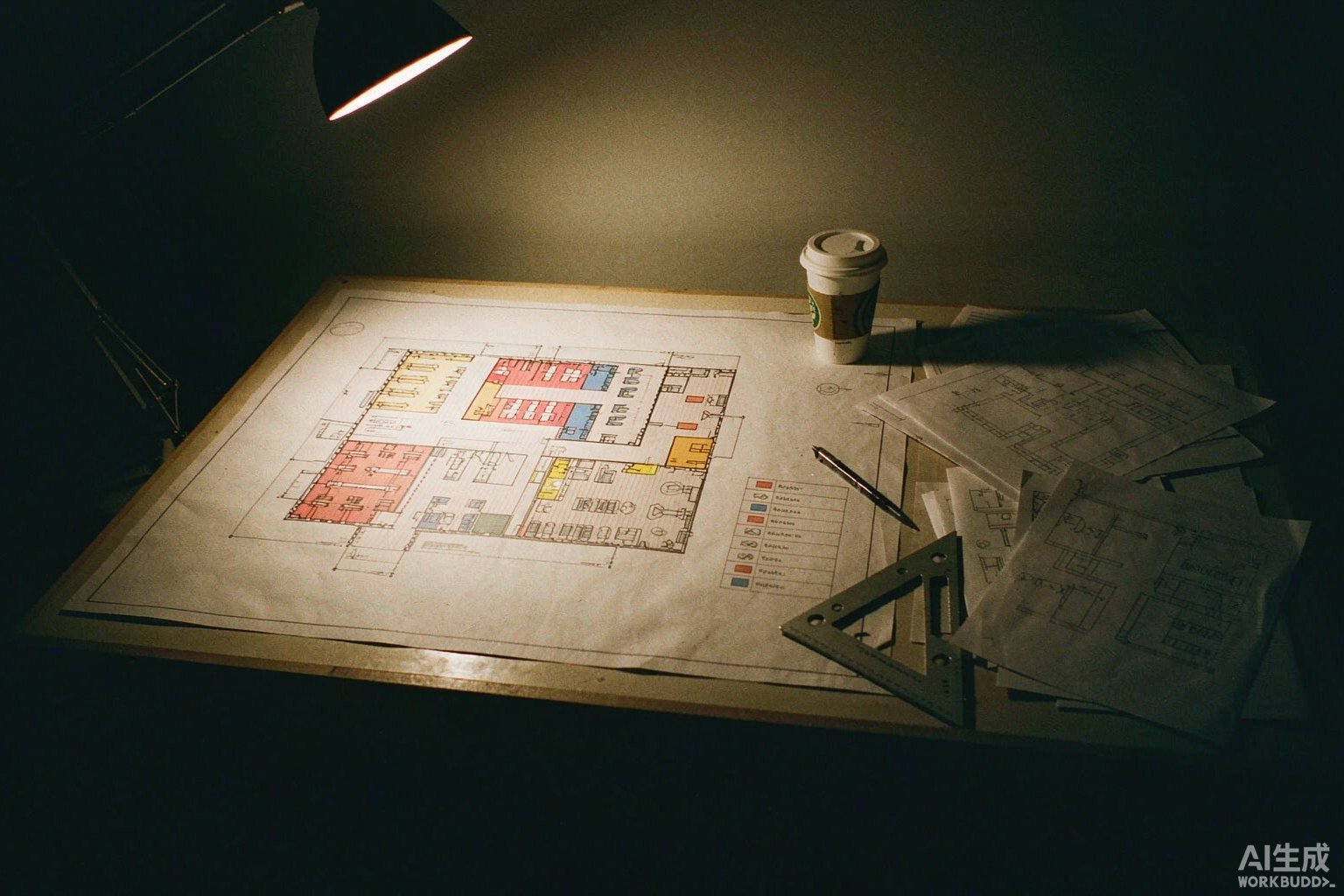
Hotel Gym Design: What Works in 60 to 150 Square Metres
A hotel fitness room is judged in the first ninety seconds, usually by a guest who trains twice a week and has no interest in learning a machine. That changes the specification.
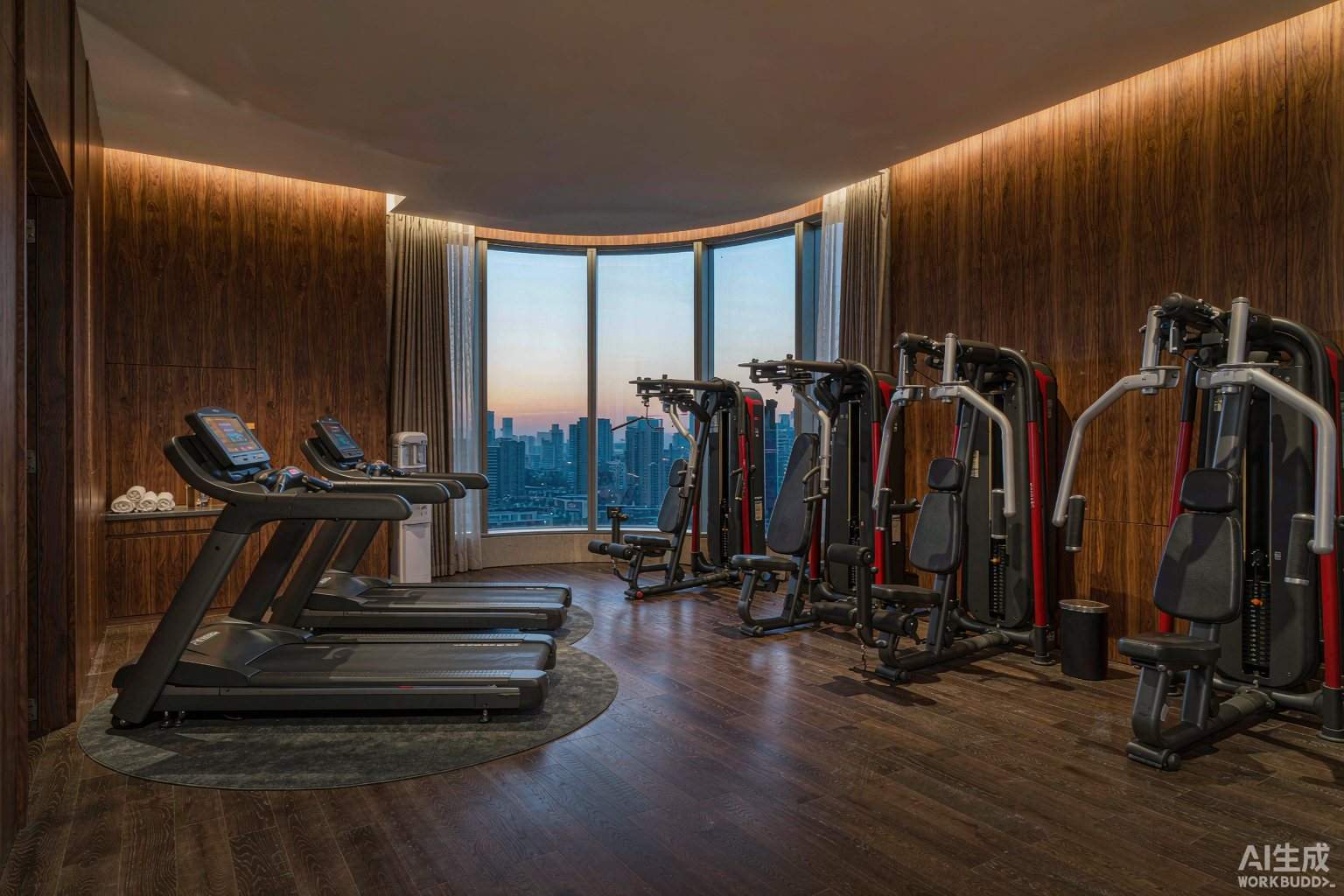
Hotel gyms fail for a reason that has nothing to do with equipment quality. They are specified like small commercial clubs, with the assumption that a guest will work out how the equipment functions. Most guests will not. They will use a treadmill, sit on a bike and try one machine badly.
A business hotel with a corporate clientele has a predictable pattern: peak use between 06:00 and 08:00, a second smaller peak at 18:00 to 20:00, an average session of 25 to 35 minutes, and a strong preference for cardio over loading. A resort property inverts the timing completely and adds families. Ask your front desk what guests actually request, because the answer is usually more reliable than a brand standard.
For a typical business hotel room of 80 to 100 m², this mix holds up across the projects we have supplied:
- Cardio — 45% of the footprint. Two treadmills, one upright or spin bike, one rower or cross-trainer. Cardio is what guests arrive intending to do.
- Selectorised — 30%. Four to five pin-loaded machines: chest press, lat pulldown, a leg machine, and one combined unit. Pin-loaded is right here because it is obvious, safe without coaching and quick to use.
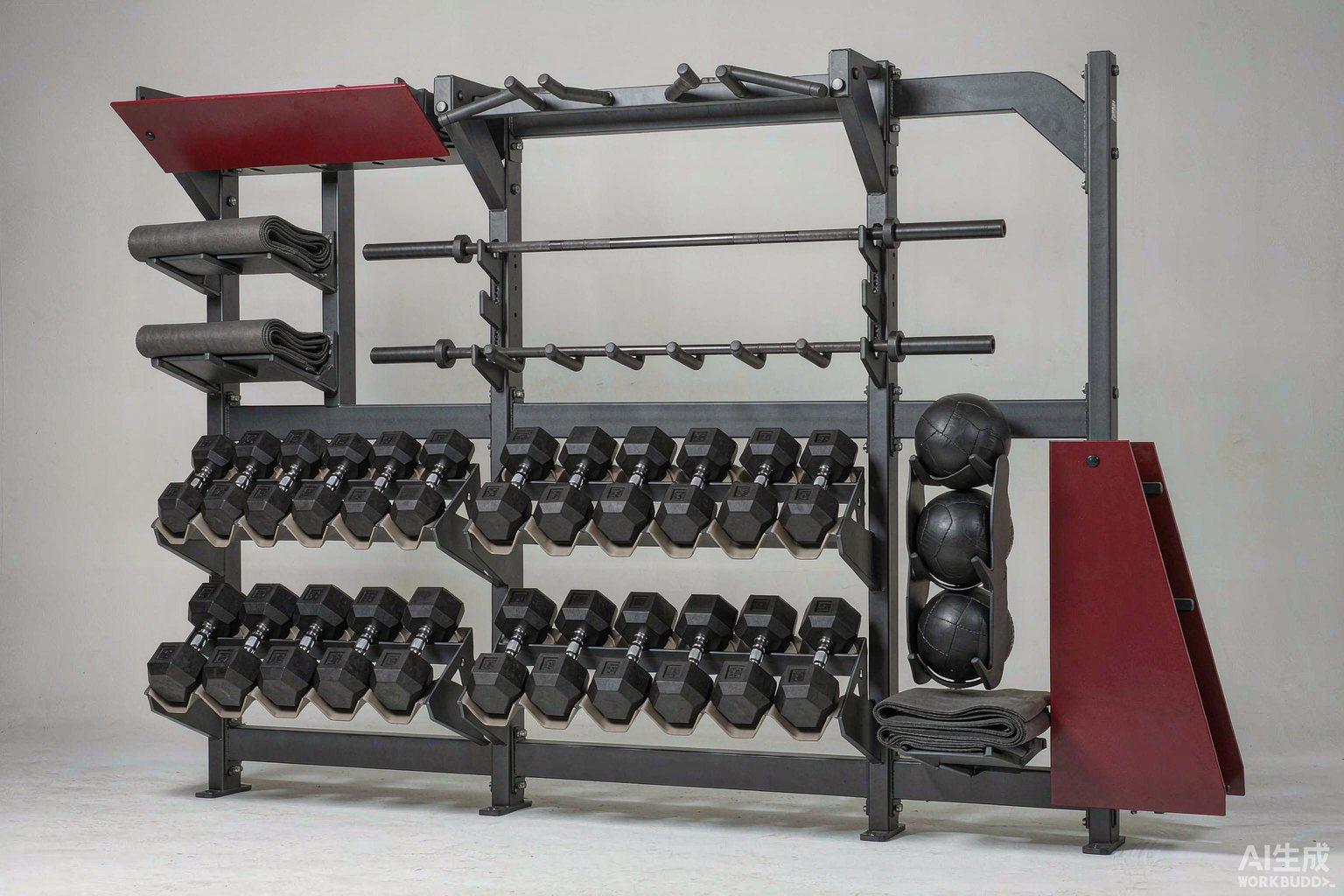
- Functional and free weight — 25%. One adjustable bench, a dumbbell set in 2.5 kg increments from 2 to 25 kg, a small storage rack, a mat area and one cable station.
Two things to resist: multi-station machines, which look efficient and create queues because everyone needs the same station at once, and very heavy dumbbells, which sit unused and take rack space that lighter increments need.
Hotel gyms are usually adjacent to something that must stay quiet — a spa, a pool, a guest floor. Sound is a specification problem before it is an equipment problem. Rubber flooring at 20 mm in the free-weight zone, 15 mm elsewhere. Bumper plates rather than iron plates if you allow any dropping at all. Solid, bolted racks rather than freestanding stands that rock. If the room shares a wall with guest accommodation, put the treadmill row against the opposite wall and check the structure, not just the floor covering.
Ceiling height decides more than most drawings admit. Measure the finished floor to the lowest obstruction — a beam, a duct or a light fitting — before choosing a machine. A Smith machine at 2,290 mm does not fit under a 2,350 mm soffit once the lighting trunking is accounted for.
Guest experience is won or lost on small things. One laminated card per machine showing the start position and the movement, in the languages your guests speak. Sanitiser and wipe dispensers at both ends of the room, not just the entrance. Mirrors positioned to check technique rather than to make the room look larger. A wall clock, because guests are timing sessions.
A hotel gym usually has no technician on staff. Two consequences: choose equipment with an obvious service path and a published consumables list, and keep a small spares kit on site — cables, pulley bearings, grips, rubber feet and pins. A single cable failure should not take a machine out of service for three weeks while a part crosses the ocean.
Need commercial gym equipment?
Talk to our sales team — send quantities, destination and branding requirements and we will price it properly.