The Twelve Week Gym Opening Countdown
From signed lease to a working floor: the sequence that keeps an installation on schedule, and the five things that usually go wrong at the worst possible moment.
Most gym openings are late for the same handful of reasons. None of them are about equipment. This is the sequence we recommend to clients, written backwards from opening day.
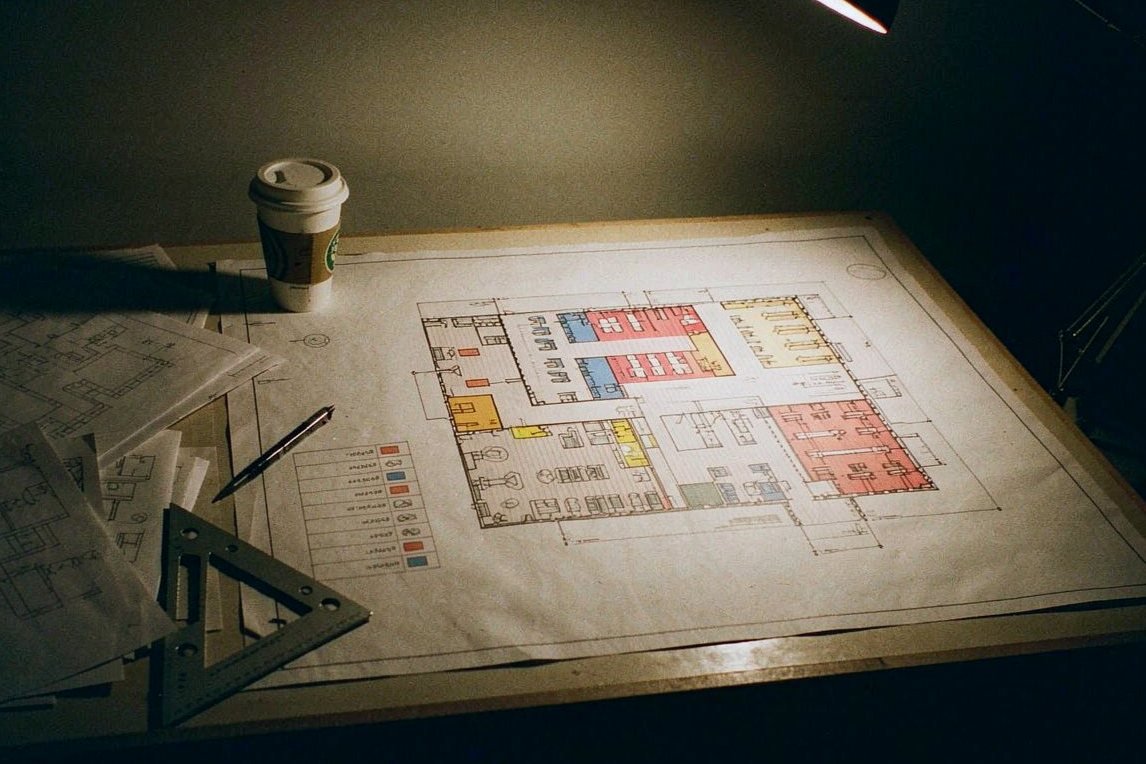
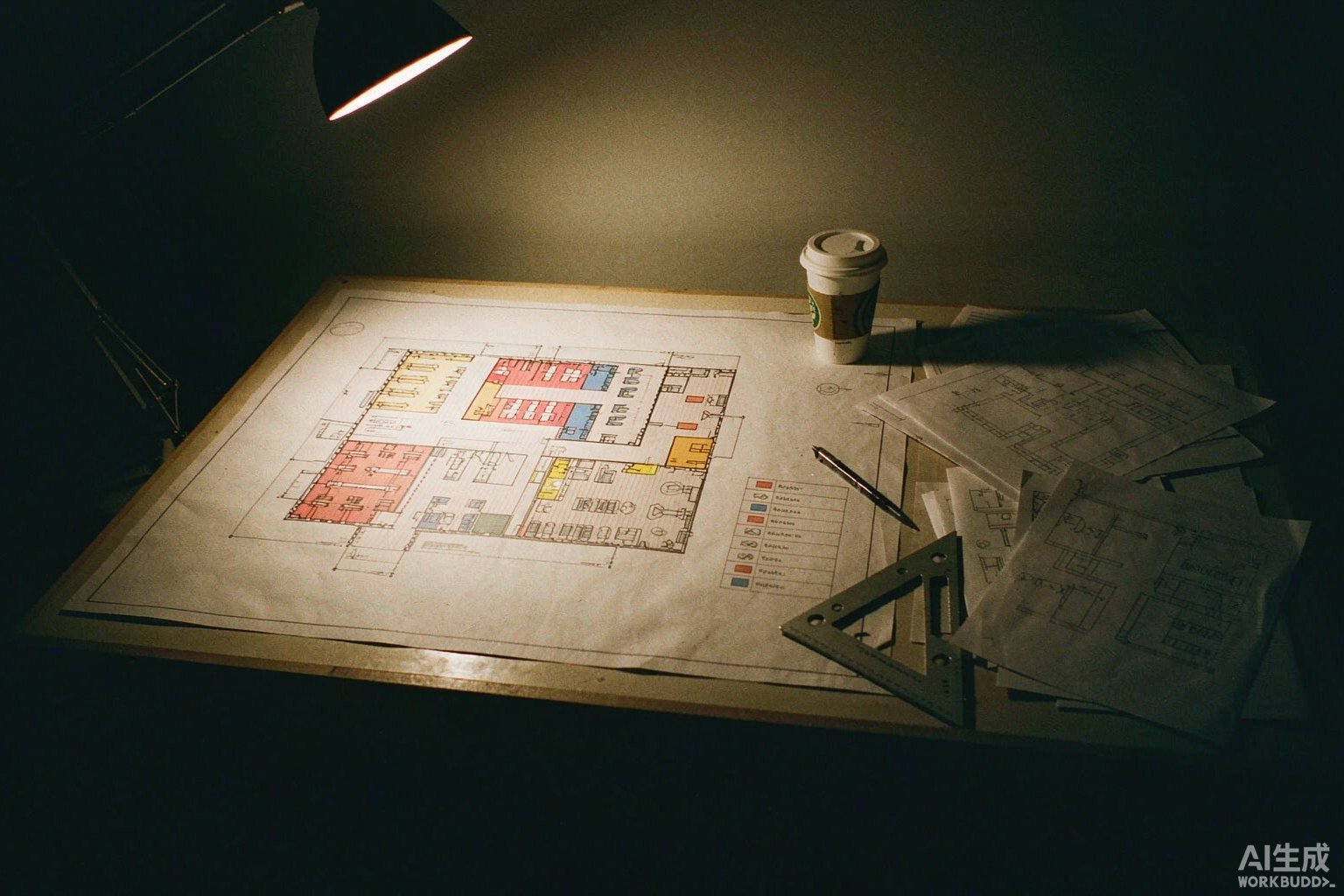
Finalise the equipment list, the zoning plan and the power and data positions before drawings are issued for construction. Changes after this point cost three to five times as much, because a floor that has already been cut for a treadmill cannot be un-cut for a cable crossover.
Confirm three things at this stage and put them in writing: the finished floor to lowest obstruction height in every zone, the floor build-up (screed, latex and rubber thickness), and the route the container will take from the road to the room. A 40HP container on a residential street, or a delivery door 900 mm wide, changes the plan.
Place the equipment order and approve branding drawings within seven working days. Production scheduling runs from the deposit date, so every day spent on artwork is a day added to the delivery. If the project includes flooring, order it now too — flooring ships well and can be installed before the equipment arrives.
Flooring, lighting, mirrors, signage, changing areas and the small works that equipment installation depends on. Two items deserve their own slot: the floor slab must be fully cured before rubber is laid, and any wall the racks are anchored to must be a structural wall or a properly reinforced one. Chemical anchors into a plasterboard partition will hold for a month.
Book the installation crew now, not when the container has cleared customs.
Container sails, documents issued, duty and freight settled, customs broker instructed. Have the packing list in the broker's hands before the vessel arrives: a customs query on a mixed container of equipment can add a week.
Arrange unloading labour and a forklift for arrival day. This is the single most common schedule failure. A container that cannot be unloaded waits, and container detention charges accumulate hourly.
Sequence the install to avoid moving machines twice: heaviest and most fixed first — multi-stations, plate-loaded lines, then selectorised, then cardio, then free weights and accessories. Verify floor level at each anchor point rather than assuming the slab is flat. Complete the punch list, torque each stack, and cable every machine through its full range before the floor is signed off.
Photograph the installation as it goes. It becomes your asset register, your insurance schedule and your first marketing material.
Train the front desk and any duty staff on the equipment: how to adjust it, what a loose cable sounds like, where the spares are, and who to call. Set the maintenance routine from day one — a floor that gets a daily ten-minute walk never becomes a floor with a broken machine nobody reported.
Then open. The equipment is the easy part; the routine is what determines whether the floor still looks new in year three.
- Ceiling height measured before the floor build-up was added.
- Branding artwork approved late, adding two weeks to production.
- No forklift or unloading plan on arrival day.
- Racks anchored into a partition wall.
- Flooring installed cold and loaded immediately, leaving permanent marks under every machine foot.
All five are avoidable with a checklist and a calendar. We supply both to clients at order stage, because a well-installed floor is a better advertisement for our equipment than any brochure.
Need commercial gym equipment?
Talk to our sales team — send quantities, destination and branding requirements and we will price it properly.