
Cable Systems on Training Racks: A Complete Technical Guide
Cable Construction and Quality The cables used in training rack cable systems are typically aircraft-grade steel cables coated with nylon or PVC for smooth oper…
Cable Construction and Quality
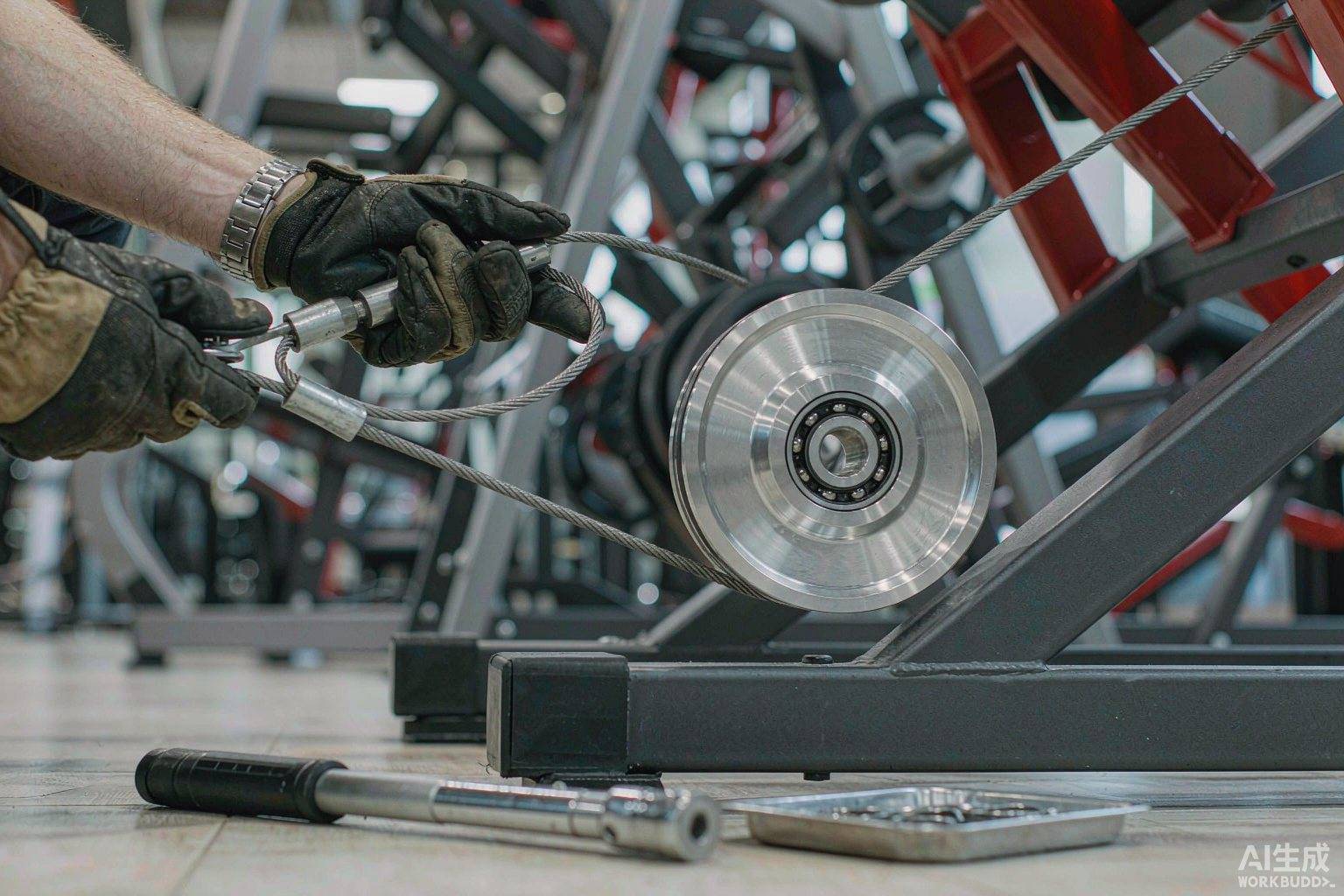
The cables used in training rack cable systems are typically aircraft-grade steel cables coated with nylon or PVC for smooth operation and corrosion resistance. The number of strands and the construction pattern affect flexibility, strength, and durability. A 7x19 construction (7 strands of 19 wires each) is common, offering a good balance of flexibility and strength.
Cable diameter typically ranges from 4mm to 6mm for training rack applications. Thicker cables are stronger but less flexible, while thinner cables offer better flexibility but have lower load ratings. The cable should be inspected regularly for fraying, kinking, or coating damage, as these are signs of impending failure.
The cable coating serves multiple purposes: it protects the cable from corrosion, reduces friction as it passes over pulleys, and provides a smoother feel during exercises. Nylon coating is preferred over PVC for its superior durability and heat resistance.
Pulley Design and Configuration
Pulleys on training rack cable systems come in various designs, each affecting the feel and function of the exercise. Fixed pulleys maintain a constant cable path and are used for exercises like cable crossovers and high pulldowns. Swivel pulleys rotate to follow the cable path, providing a more natural movement pattern for exercises like cable flyes and rotational movements.
Pulley diameter affects both the mechanical advantage and the cable longevity. Larger pulleys (90mm or more) reduce cable bending stress and provide smoother operation, but increase the size and cost of the system. Smaller pulleys (60mm or less) are more compact but cause more rapid cable fatigue.
The number of pulleys in the system affects the resistance profile. A single-pulley system provides a 1:1 resistance ratio (the weight stack equals the actual resistance), while a two-pulley system provides a 2:1 ratio (the resistance is half the weight stack). The 2:1 ratio is popular for functional trainers because it provides a smoother feel and allows for greater cable travel, though the trade-off is that the weight stack must be heavier to achieve the same resistance.
Weight Stack Mechanics
Weight stacks on training rack cable systems typically use selectorized plates that are engaged by inserting a pin into the stack at the desired weight. The plates should move smoothly on the guide rods without binding or excessive play. Guide rods should be straight, properly lubricated, and securely anchored at both top and bottom.
The total weight of the stack determines the maximum resistance available. For general fitness use, a stack of 80-100kg per side is typically sufficient. For advanced strength training, look for stacks of 100kg or more, or consider a rack that accepts plate-loaded cable systems for unlimited resistance.
Some advanced cable systems feature unilateral (independent) weight stacks, allowing each arm to work independently. This is particularly valuable for addressing strength imbalances and for exercises that require asymmetric resistance patterns.
Understanding these technical aspects of training rack construction will help you make an informed purchasing decision and get the most from your equipment over its lifetime. Quality construction is an investment that pays dividends in safety, performance, and longevity.
Need commercial gym equipment?
Talk to our sales team — send quantities, destination and branding requirements and we will price it properly.